An original horror IP that got a film deal before it had a film.
Watchlight is an apocalyptic horror world in film development with an LA studio. This page is about how it got there: an idea, a creative-tech build, and an AI workflow with the boundaries drawn on purpose.
Feature + Short
development agreement signed with an LA production partner
14,000+
views online before the film exists
Human + AI
pipeline, designed in Figma, built with AI
THE IDEA
An original world, kept deliberately under wraps.
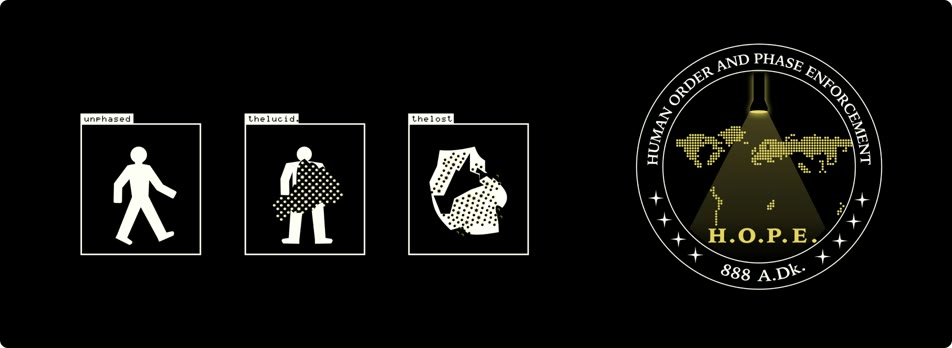
Enough to feel the world. Not enough to spoil it.
Watchlight is an original apocalypse IP that began as a tangible media art installation; a world audiences could walk into before any story was told on screen. The world’s details are under NDA while the film is in development, so you won’t find lore on this page.
What this page shows instead is how it was built: because the build is the case study.
THE BUILD
Build the world as objects first, then make them real.
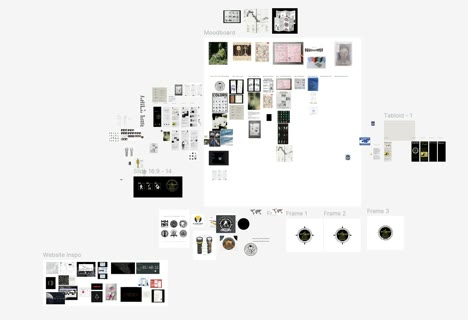
Every screen was decided in Figma before AI wrote a line.

You report your own condition, and the world classifies you.
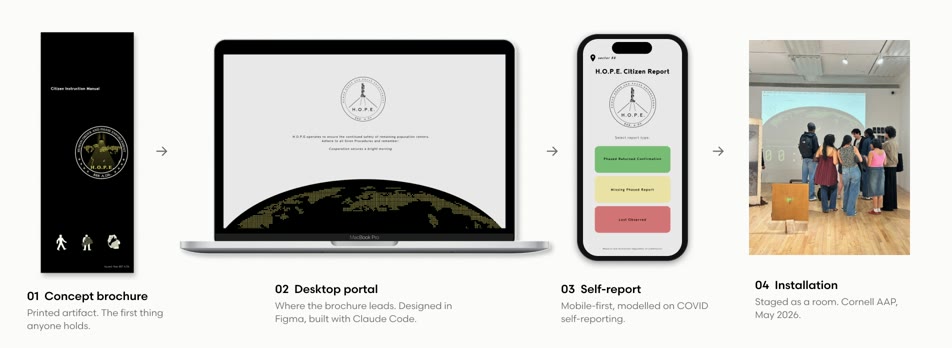
The world reached people as objects before it reached them as a story. First a printed brochure, designed to look like something you would actually be handed. It points to a website: a fictional government portal where citizens report their own status, modelled on the COVID-era self-reporting sites everyone learned to use during lockdown. Borrowed familiarity does the worldbuilding. The interface is already in your muscle memory, so the fiction lands without explanation.
I designed it screen by screen in Figma, then built it from the terminal with Claude Code, deployed on Cloudflare. Mobile-first and interactive, because the real ones were. AI compressed a contractor-sized build into something one person could ship; design direction, art direction, and the world’s voice never left human hands.
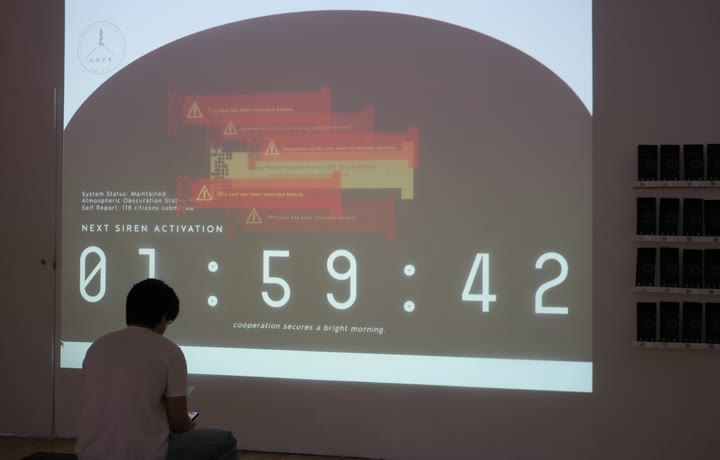
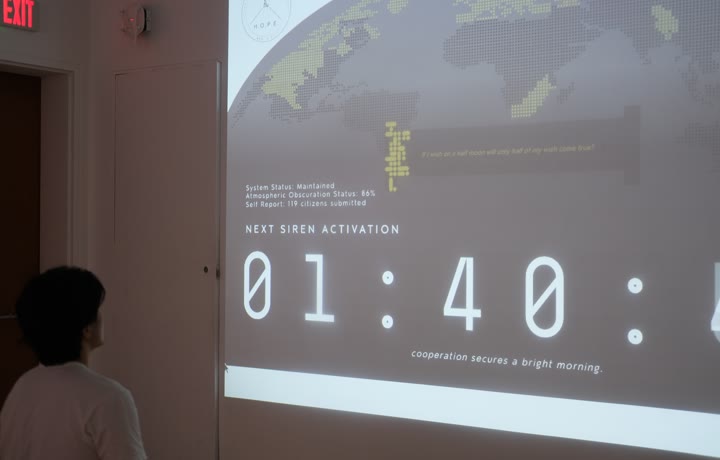
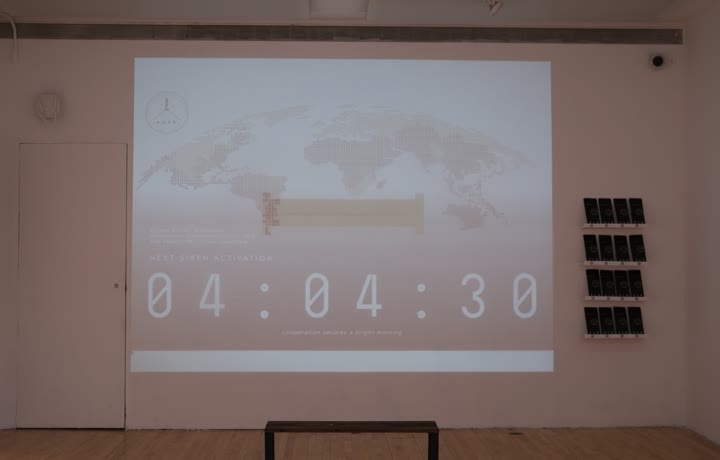
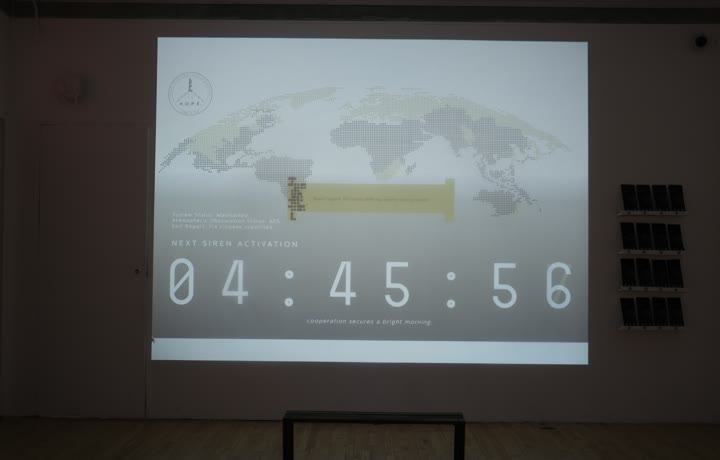
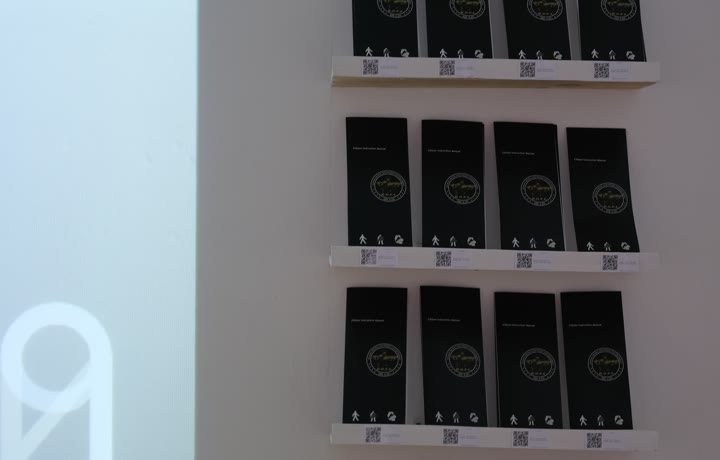
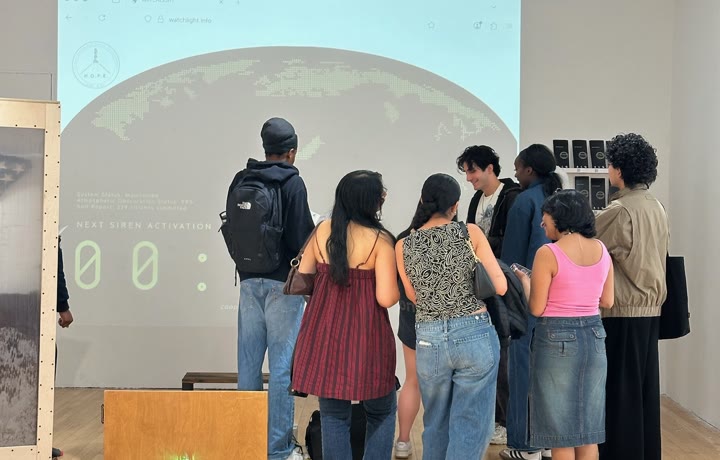
ctrl + alt + delete, Cornell AAP junior group show. Visitors triggered the projection from their own phones.
Installation shots, the printed brochure, and the phone controller visitors used to trigger the projection. This is the version of Watchlight that existed in physical space, in front of people, before a single frame was shot.
HUMAN VS AI
Knowing where the AI workflow lives, and where it doesn’t.
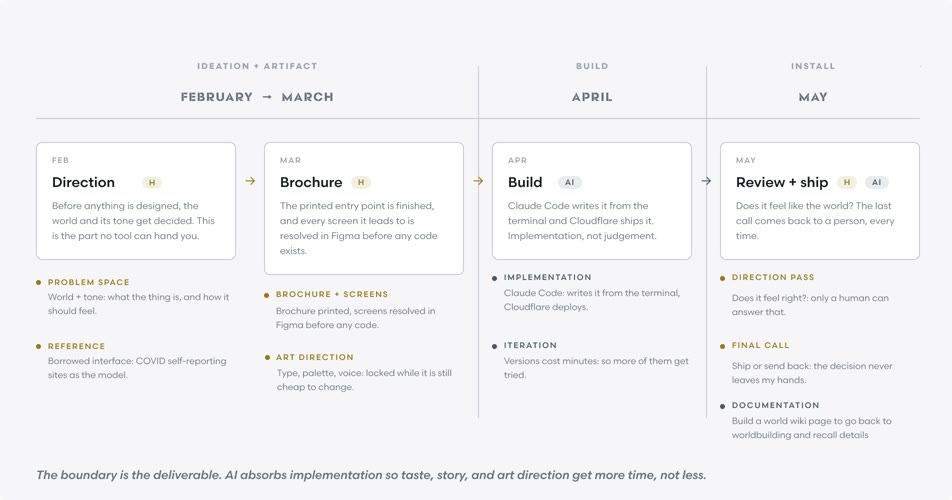
The real skill wasn’t using AI. It was drawing the boundary: AI handled implementation, iteration speed, and production scaffolding. Humans handled taste, story, art direction, and every decision an audience would ever feel. The pipeline is designed around that line, not around the tools.
THE PITCH
The build became the pitch.
A live portal, a printed artifact, an exhibited installation, and 14,000+ views meant the world already had proof of audience before anyone was asked to commit. That evidence is what convinced a producer and director to develop Watchlight with me, and what turned a conversation into a signed development agreement.
- OUTCOME
- • Formal development agreement signed: a feature and a short
- • Now in development with an LA-based independent production company
- • 14,000+ views online before the film exists
NOW
In development, in LA.
The collaboration pairs the studio’s production and directing expertise with my IP, creative vision, and art direction. The portal stays live between milestones, and the audience keeps growing while the film is made.
AFTER
The pipeline is reusable. The world was just the first thing through it.
Figma for human decisions, AI for execution speed, artifacts for proof of audience. That workflow now exists independent of Watchlight. It is the same machinery I would bring to any team building stories with creative tech.